



Illustration by Hunter Newton/Bankrate
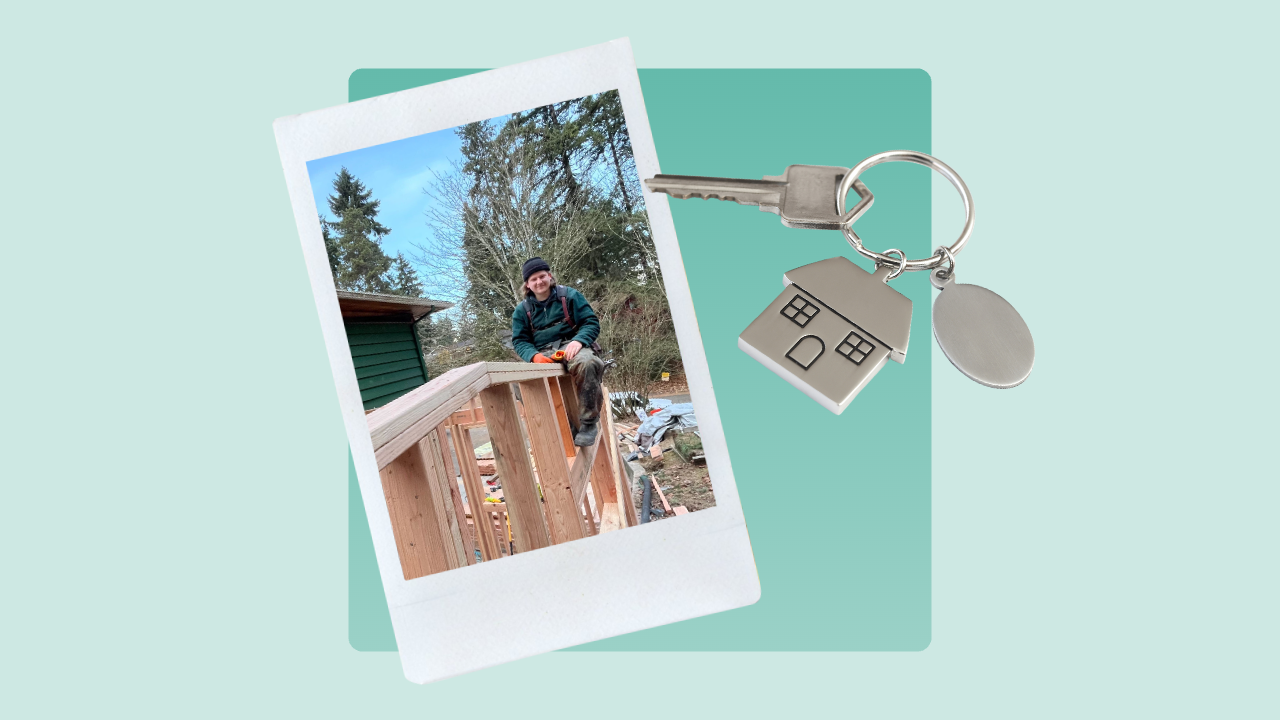
Blake Johnson, a construction superintendent in Seattle, wants to buy land and build a house on it. After all, the 24-year-old has the chops — having worked 60 hours a week for several years on commercial and residential renovations. But loan interest rates for land in his area run from 10% to 16%, which is much higher than typical mortgage rates. And he’d still have to pay for the build.
Setting the scene on homebuying
Land loans are less standardized than regular mortgages and can come with higher credit score and down payment requirements, higher interest rates and shorter terms. Loans to buy land often go hand in hand with a construction loan or what’s called a construction-to-permanent loan. That’s when the loan turns into a regular mortgage after the home is built.
The National Association of Home Builders found the volume of single-family construction loans rose toward the end of 2025 to $91.2 billion, up .5% from a year prior and the first increase in two years. Still, the volume for those loans is less than half of what it was in 2008.
As is true for any home loan, it’s worth comparing construction loan lenders to make sure you get the best rate and terms for you. But the real savings might come once you’ve converted to a home loan.
The reason why [land loan rates are so high] is — if the lender or bank has to, for whatever reason, foreclose, there’s nothing there. There’s no value. It’s just dirt.
— Diego Cardenas, real estate agent
Behind his homebuying experience
As a blue collar worker, Johnson feels priced out of the housing market where he lives. And there’s data to back up his perspective. Bankrate ranked Seattle the ninth-least affordable metro area in the best and worst markets for homebuyers report, noting only 8.3% of homes were affordable. The data shows you’d need to earn $206,007 to afford a median-priced home.
“In Seattle, owning a house for anybody who is not in tech feels like a cruel joke,” Johnson says. He feels squeezed out of buying within the city and has resorted to looking farther out for land to build on, even with at least a one-hour commute.
Ideally, he’d buy the land with cash or borrow from his dad to avoid high interest rates. Then, he’d need a loan to pay for labor, materials and permits. He thinks he could handle the siding, framing, roofing and interior finishes and tap into his network of subcontractors for the rest.
An expert’s take
If you set out to build a home or renovate an existing one, be savvy about the contractors you choose. Diego Cardenas, Denver real estate agent who specializes in investment properties and fixer uppers, suggests looking beyond the first page of online search results. Those are the contractors who are good at marketing but will subcontract the work to another company. “Find the guy that’s actually doing the job himself,” Cardenas says. You can also ask your real estate agent for recommendations and get multiple bids.
His homeownership dream
Johnson has wanted to own a house since he was a teenager and admits he’s class conscious. “There are those who own and there are those who don’t,” he says. “I would like to be one of those that owns.”
He says he even chose his career path in construction to help him someday buy or build a home.
Johnson dreams of running his own construction business one day, and owning land would give him room to store equipment and run operations. But right now, he only has time to work a few side gigs outside of his full time job. “I’m working more than I think I ever wanted to,” he says. “Mostly because I’m betting on the [housing] market dropping pretty soon.”
Why we ask for feedback
Your feedback helps us improve our content and services. It takes less than a minute to
complete.
Your responses are anonymous and will only be used for improving our website.
Help us improve our content
Thank you for your
feedback!
Your input helps us improve our
content and services.
Read the full article here